Digital Labs
Enterprise Innovation
Reimagining how digital tools could support scientific work across the drug development lab ecosystem.
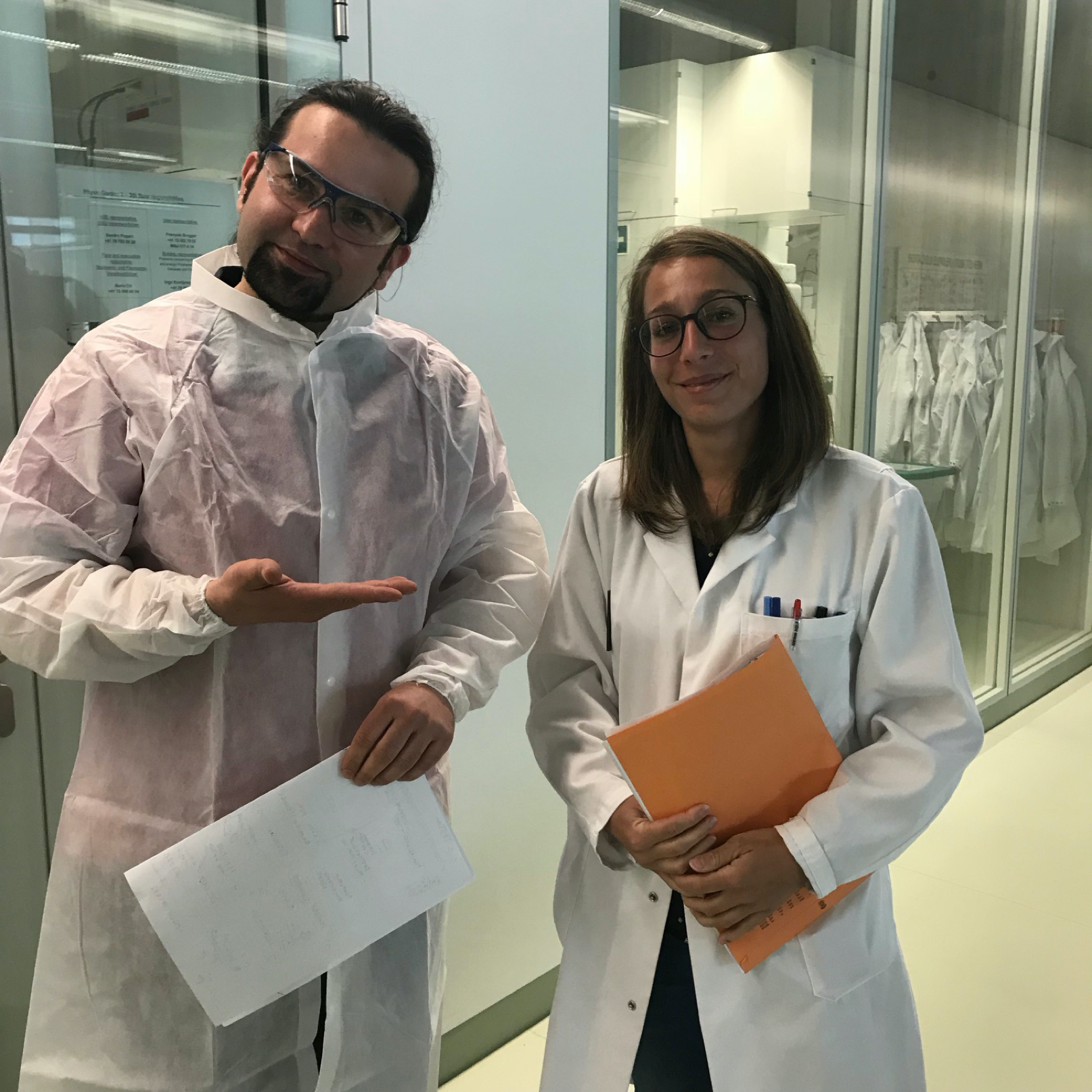
Scientific work depends on precise data, compliant workflows, and many human handovers.
Digital Labs explored how connected tools could support scientists, lab operations, documentation, planning, and regulatory submission across the R&D lifecycle.
The challenge was to understand the real lab ecosystem first: how people work, where data is captured, where it gets re-entered, where samples are tracked, where documents are created, and where compliance pressure appears.
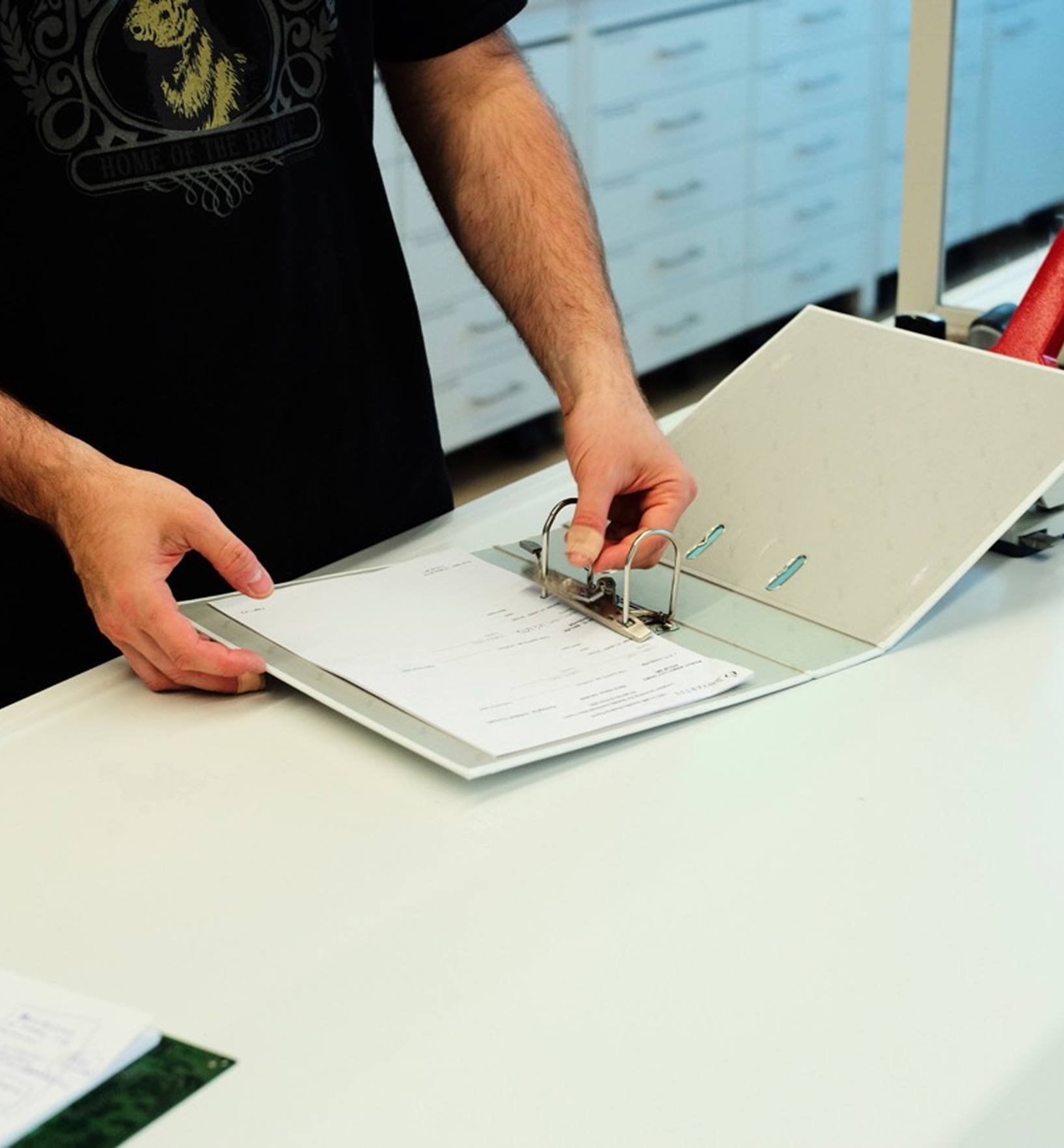
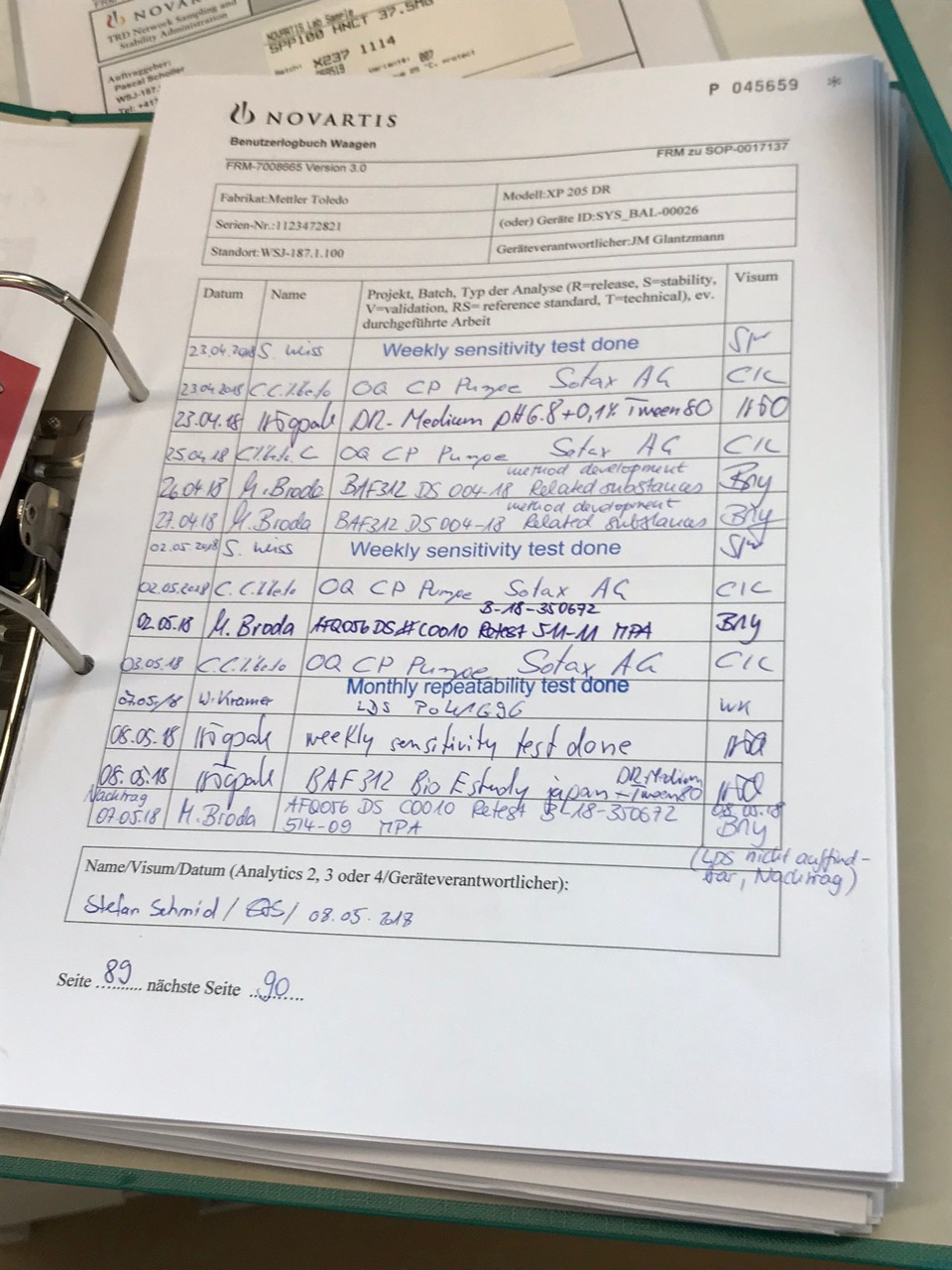
Lab work was still shaped by fragmented tools, manual tracking, and disconnected data flows.
Scientific workflows often rely on a mix of instruments, paper notes, binders, spreadsheets, local practices, compliance checks, and system handovers. These fragments create friction, increase human error, slow down documentation, and make it harder to trace work across the full experiment lifecycle.
The opportunity was to rethink the lab not as a collection of isolated tools, but as a connected ecosystem: one where samples, experiments, documentation, planning, and regulatory outputs could become more visible, traceable, and coordinated.
Start with the ecosystem, then turn insight into product concepts.
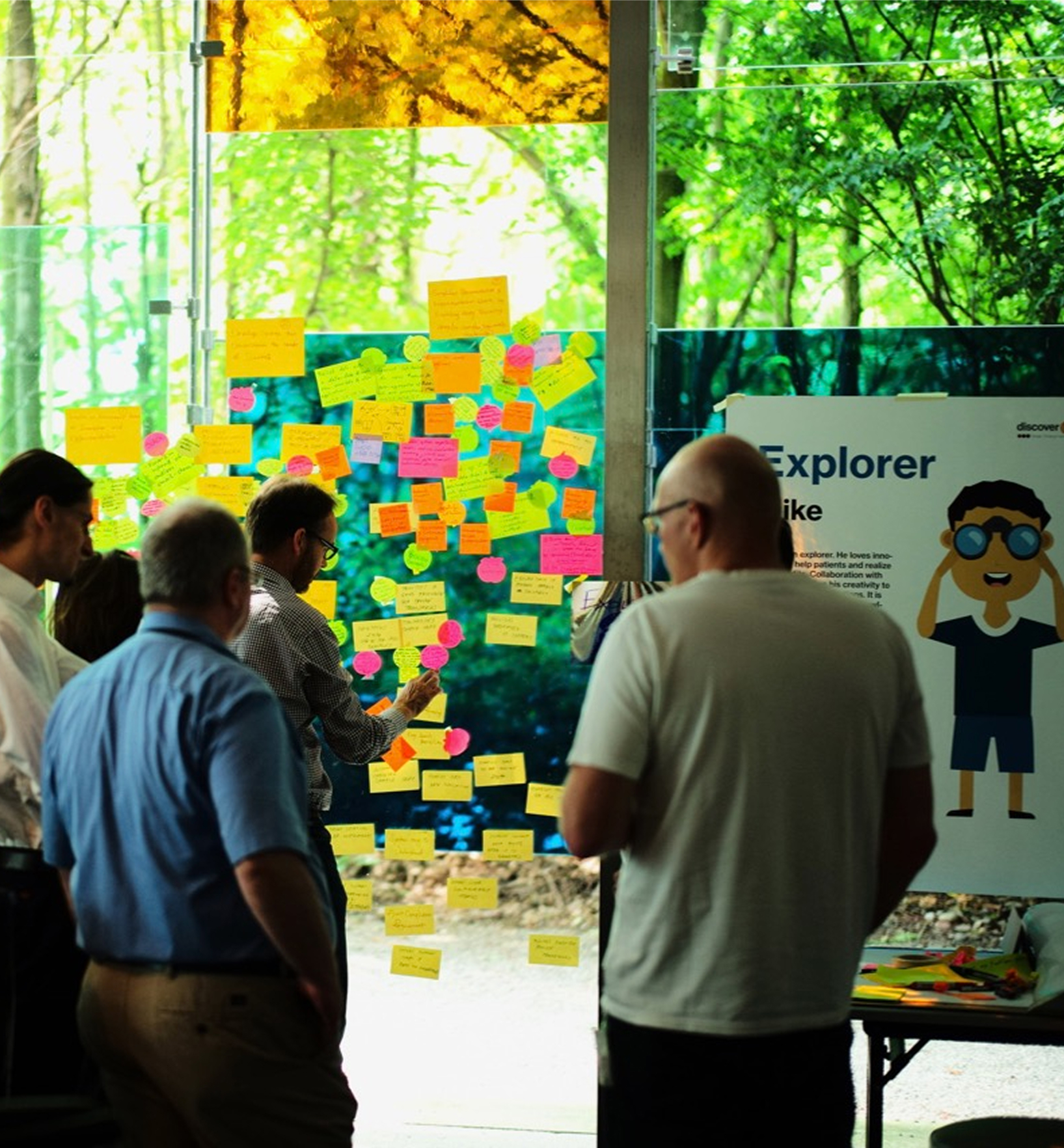
The work combined lab observation, stakeholder conversations, workflow mapping, design thinking, product framing, and rapid concept development. The goal was to understand what scientists and supporting roles actually needed before jumping to solutions.
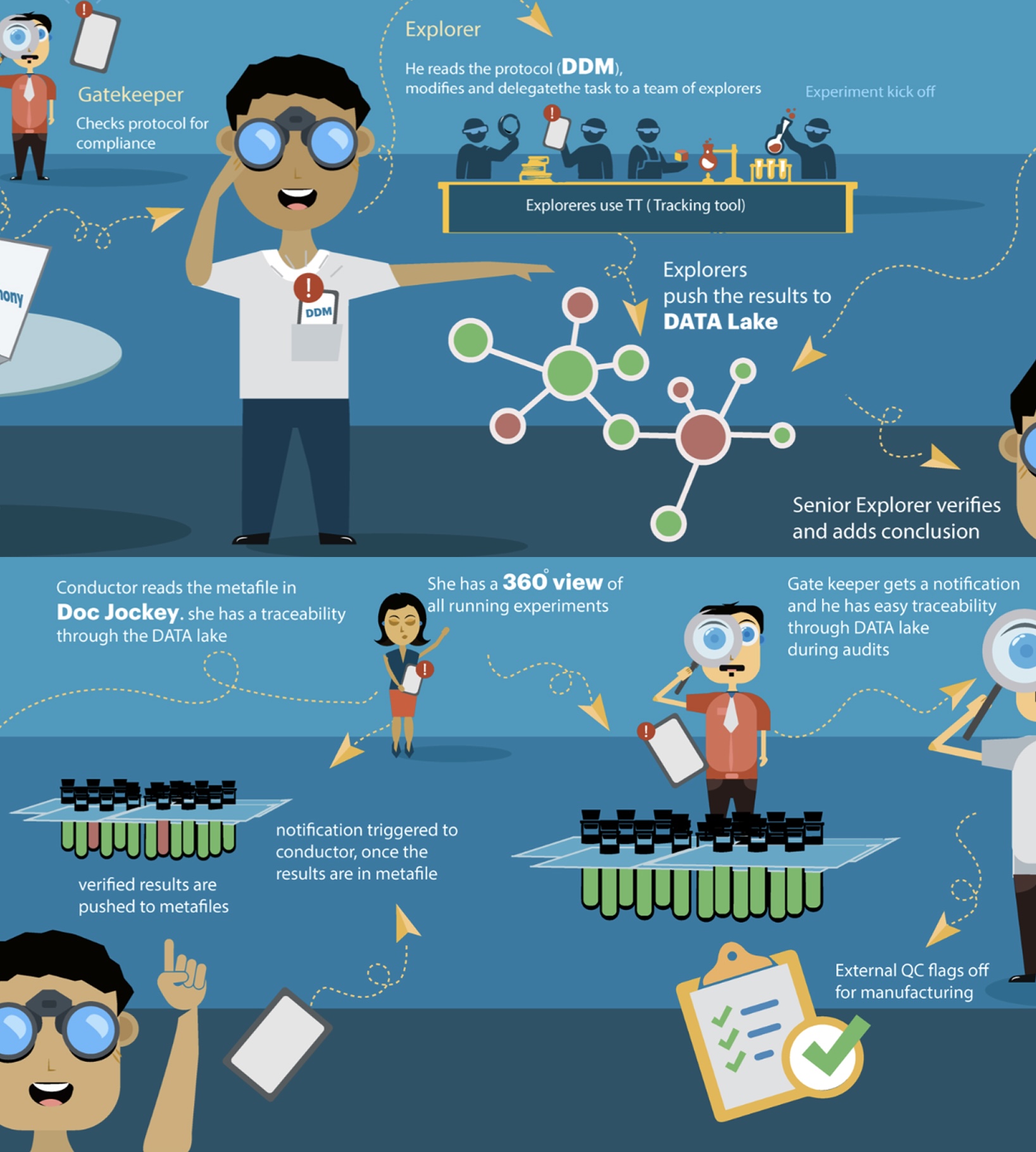
The team explored different roles in the lab ecosystem, including people who initiate experiments, check compliance, conduct work, verify results, manage documentation, and coordinate downstream handovers.
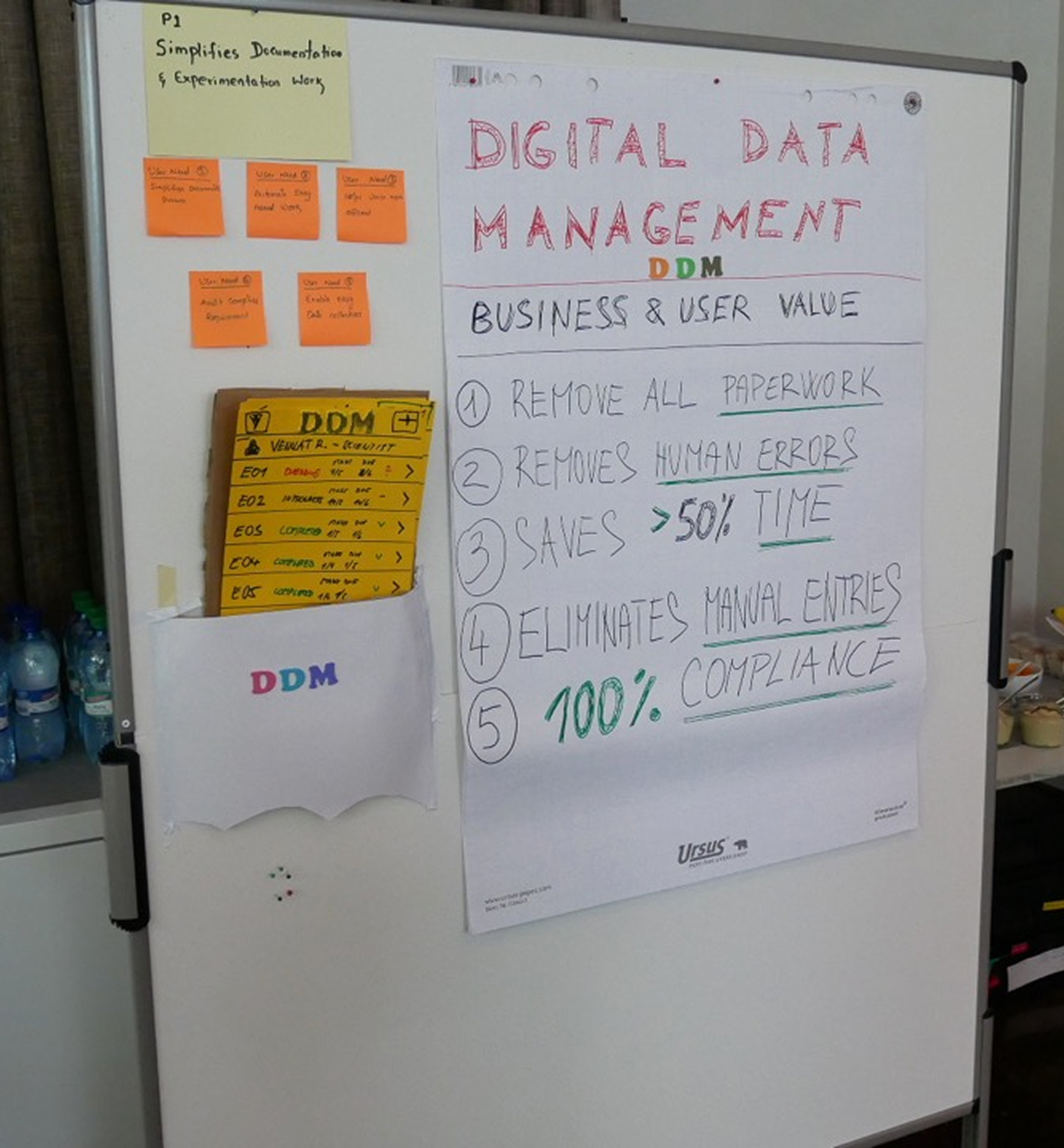
Observe the lab ecosystem
Understand scientific work in context, including samples, instruments, documentation, compliance and handovers.
Map roles and workflows
Identify how scientists, gatekeepers, conductors, explorers and reviewers interact across the experiment lifecycle.
Prototype product concepts
Translate opportunity areas into concepts such as sample tracking, digital logbooks and planning tools.
Connect the ecosystem
Explore how data, documents and notifications could move through a more coherent digital lab environment.
A portfolio of digital tools for a more connected lab.
The concepts included real-time sample tracking using Bluetooth or NFC, a digital logbook to replace manual notes and capture data from instruments, drug project planning for better forward visibility of development milestones, and regulatory document management for compliant health-authority submissions.
Together, these concepts formed a broader vision: a digital lab environment where data could be captured closer to the source, manual re-entry could be reduced, documentation could become more reliable, and teams could gain better visibility across scientific work.
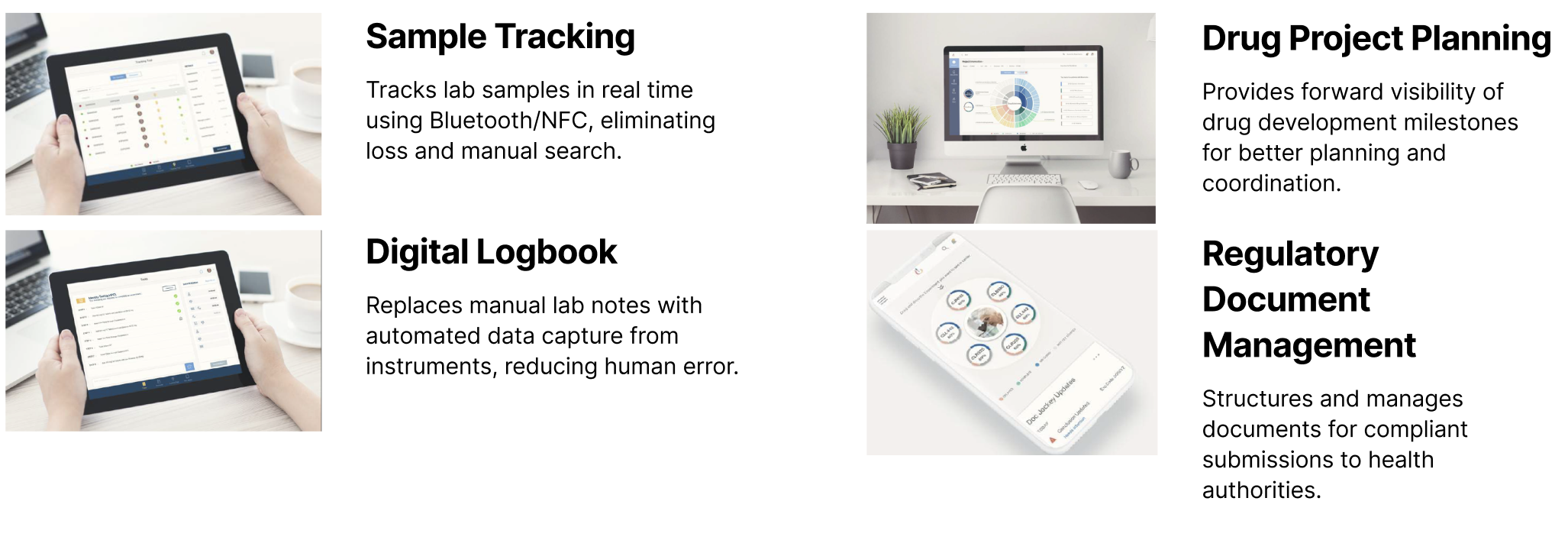
Sample Tracking
Tracks lab samples in real time using Bluetooth or NFC, reducing loss, manual search, and uncertainty.
Digital Logbook
Replaces manual lab notes with structured data capture from instruments and experiment workflows.
Drug Project Planning
Provides forward visibility of drug development milestones for better planning and coordination.
Regulatory Document Management
Structures and manages documentation for compliant submissions to health authorities.
A strategic vision for digital transformation inside the lab.
The work helped make abstract digital transformation concrete: showing how lab processes, roles, documentation, samples, planning and data flows could become part of a more integrated ecosystem.